

















Preventive vs. Reactive Maintenance: The Real Impact on Facility Performance
Introduction
Every facility depends on systems that are expected to work when they are needed. HVAC equipment, electrical systems, pumps, fire protection systems and other assets all require attention throughout their operating life. The question is whether that attention happens before a problem occurs or only after a failure.
This is the fundamental difference between preventive and reactive maintenance. Both have a role in facility operations, but relying too heavily on reactive maintenance can increase operational risk, disrupt users and create avoidable costs.
What Is Preventive Maintenance?
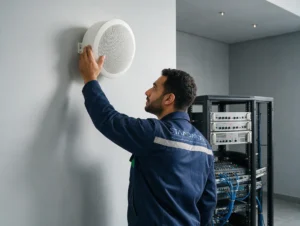
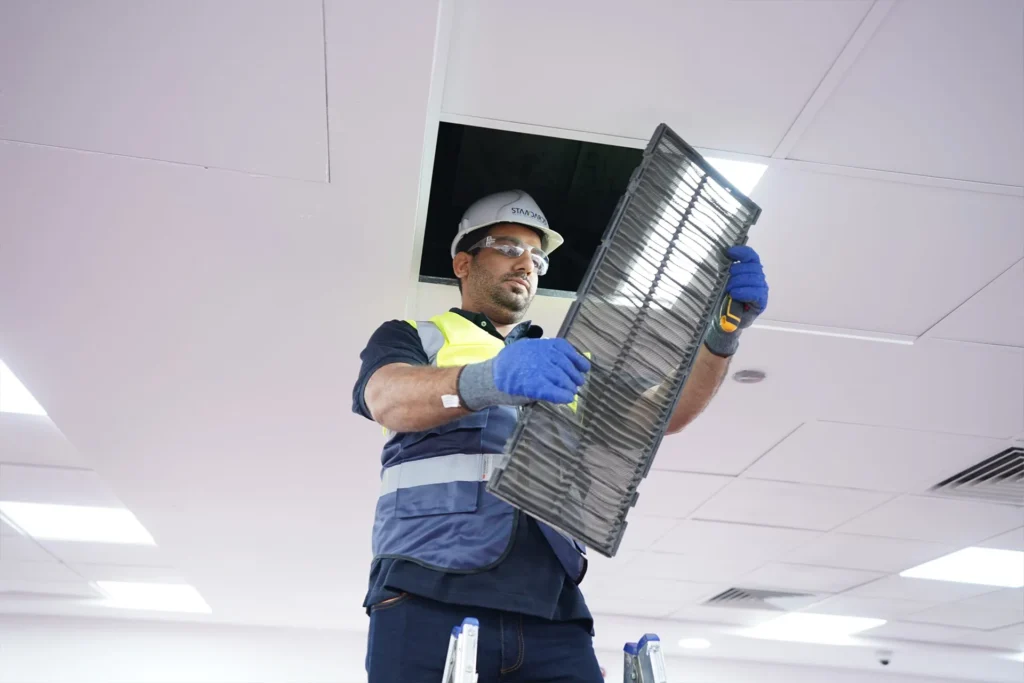
Preventive maintenance is planned work carried out at scheduled intervals to help equipment and systems remain in reliable operating condition. It can include inspections, cleaning, testing, lubrication, adjustments, component replacement and performance checks.
The schedule may be based on manufacturer recommendations, operating hours, asset condition, regulatory requirements or the facility’s own maintenance strategy.
What Is Reactive Maintenance?
Reactive maintenance takes place after a fault or failure has already occurred. The immediate priority is to restore the affected system and return operations to normal.
Reactive work cannot be eliminated completely. Unexpected failures can happen even in well-maintained facilities. The risk appears when reactive maintenance becomes the main maintenance strategy rather than an exception within a controlled maintenance program.
The Cost of Waiting for Failure
The direct repair cost is only one part of a breakdown. A failed system can interrupt operations, affect occupant comfort, create safety concerns and require emergency resources. In some environments, downtime can also affect customers, tenants, employees or critical business activities.
Repeated emergency repairs may also indicate that the underlying condition of an asset is not being addressed effectively.
How Preventive Maintenance Supports Asset Life
Regular maintenance can help identify wear, deterioration and abnormal operating conditions before they develop into larger failures. This gives facility teams more time to plan repairs and replacements.
A structured preventive maintenance program also creates a service history for each asset. Over time, this information helps management understand recurring issues, evaluate asset condition and make better lifecycle decisions.
Preventive Maintenance and Operational Performance
Reliable facilities depend on consistency. Planned inspections and maintenance help reduce unexpected interruptions and make workloads more predictable for technical teams.
They can also support energy performance. Equipment that is dirty, poorly adjusted or operating outside its intended parameters may consume more energy while delivering lower performance. Routine maintenance helps keep systems closer to their designed operating conditions.
Finding the Right Balance
The goal is not to perform unnecessary maintenance on every asset. A good maintenance strategy considers asset criticality, condition, operational impact and cost.
Critical systems may require more frequent preventive attention, while less critical assets may be managed differently. The most effective approach combines planning, inspection, data and technical judgment.
A More Proactive Approach with STANDARDS
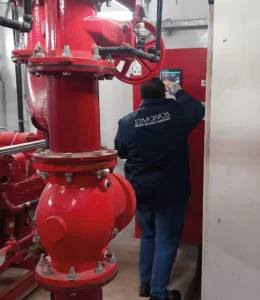
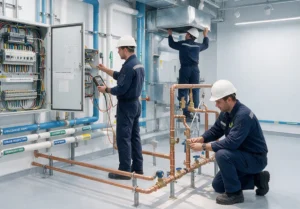
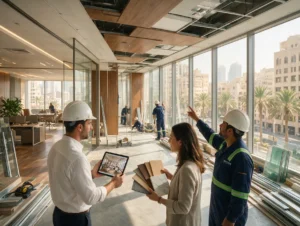
STANDARDS supports clients through structured Hard FM operations covering HVAC, electrical, mechanical, fire protection, civil and MEP systems. Our approach emphasizes planned maintenance, inspection, monitoring and continuous improvement to support asset reliability and operational continuity.
By moving from “repair when it fails” toward a more proactive maintenance culture, facilities can gain greater control over performance, risk and long-term asset value.
Small issue today. Major downtime tomorrow. Preventive maintenance helps close that gap.