




























Smart Facility Management: How Technology Is Transforming Building Operations

Introduction
Facility management is becoming increasingly connected. Buildings generate operational information through equipment, service requests, inspections, security systems and maintenance activities. The challenge is no longer simply collecting this information; it is turning it into useful operational decisions.
Facility management technology helps teams create that connection. When used effectively, digital tools can improve visibility, strengthen response processes and give decision-makers a clearer understanding of facility performance.
What Is Smart Facility Management?
Smart facility management combines operational expertise with digital systems and data. It can include Building Management Systems (BMS), computerized maintenance and facility management platforms, digital service requests, asset registers, inspection tools, dashboards and connected building technologies.
The objective is to make operations more visible and manageable, not to replace the people responsible for delivering them.
Real-Time Visibility
Traditional facility operations can depend heavily on phone calls, spreadsheets and manual follow-up. This can make it difficult to see the status of multiple requests or assets at the same time.
Digital platforms can centralize information so teams can track requests, response status, maintenance activity and performance indicators from a clearer operational view.
Faster and More Structured Response
When service requests follow a defined digital workflow, they can be assigned, prioritized, tracked and closed more consistently. This creates accountability throughout the process and gives management better insight into response and resolution performance.
For multi-site operations, this visibility becomes particularly valuable because managers can compare activity across locations without relying entirely on separate manual reports.
Building Management Systems and Connected Operations
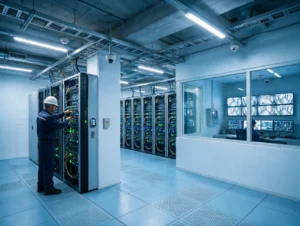
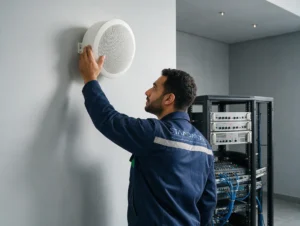
A Building Management System can monitor and control selected building systems from a centralized interface. Depending on the building configuration, this can include HVAC, lighting and other connected assets.
When BMS information is combined with facility management processes, technical teams gain additional context for identifying abnormalities, investigating issues and managing building performance.
Data for Better Maintenance Decisions
Maintenance records can reveal patterns that are difficult to see from individual work orders. Recurring faults, repeated callouts and changing asset performance can help teams identify where additional investigation or investment may be required.
As data quality improves, facilities can gradually develop more condition-based and predictive approaches to maintenance.
Technology Should Support the Operation
Digital transformation is most effective when technology is designed around real operational processes. A platform with many features will deliver limited value if teams do not use it consistently or if workflows do not reflect the way the facility operates.
Successful implementation therefore requires a combination of technology, trained people, clear processes and measurable objectives.
Power M and the STANDARDS Approach
STANDARDS combines operational facility management expertise with technology-driven visibility to support smarter decision-making. Through solutions such as Power M, operational information can be brought together to support service requests, response tracking, performance monitoring and management insight.
The objective is straightforward: less operational uncertainty, greater visibility and better control.
Power M — Turning Operations into Business Value.