
















Integrated Facility Management: A Smarter Approach to Building Operations

Introduction
Modern facilities are complex environments. Mechanical and electrical systems must remain reliable, spaces must stay clean and safe, security systems need continuous monitoring, and every service request must be handled efficiently. When these responsibilities are managed separately, organizations can face fragmented communication, inconsistent service levels and limited visibility over performance.
Integrated Facility Management (IFM) brings these functions together under one coordinated operating model. Instead of treating maintenance, cleaning, security and specialized services as separate activities, IFM connects them to support the overall performance of the facility.
What Is Integrated Facility Management?
Integrated Facility Management is an approach that combines multiple facility services under coordinated management, processes and performance standards. Depending on the facility, this can include Hard FM, Soft FM, ELV and security systems, specialized projects and technology-enabled monitoring.
The objective is not simply to reduce the number of service providers. The real value comes from creating stronger coordination between teams, clearer accountability and a more complete view of how the facility is performing.
The Core Components of IFM
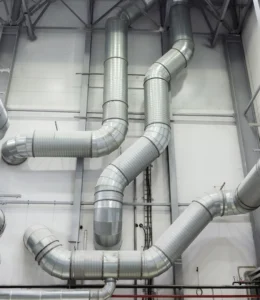
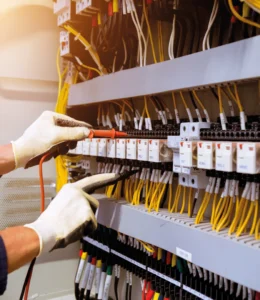
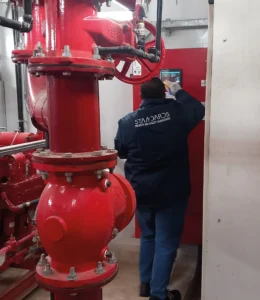
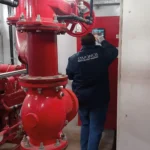
Hard Facility Management focuses on the technical systems that keep buildings operating, including HVAC, electrical and mechanical systems, fire protection, civil maintenance and MEP services.
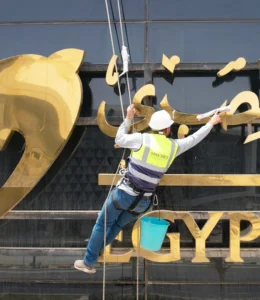
Soft Facility Management supports the quality, hygiene and usability of the environment through services such as cleaning, façade cleaning, pest control, landscaping, waste management and sanitization.
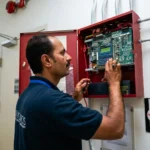
ELV, communication and security systems add another operational layer through CCTV, access control, biometric systems, building management systems, public address systems and other connected technologies.
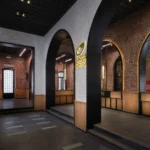
Specialized projects such as renovation, refurbishment, fit-out and interior works help facilities adapt to changing operational and business requirements.
Why Integration Matters
A facility does not experience services as separate departments. A maintenance issue can affect comfort, safety, cleaning schedules and customer experience at the same time. An integrated model allows teams to coordinate their response rather than work in isolation.
This can improve response times, reduce service gaps and provide management with clearer accountability. It also creates a stronger foundation for consistent reporting, performance measurement and continuous improvement.
From Service Delivery to Asset Performance
Effective facility management should support more than day-to-day operations. It should help protect assets, reduce avoidable downtime and extend the useful life of building systems.
Planned maintenance, inspections and performance monitoring allow facility teams to identify risks earlier. Over time, this helps organizations move away from a purely reactive approach and toward more controlled, predictable operations.
The Role of Technology in Integrated FM
Technology strengthens integration by connecting information across services. Digital service requests, maintenance records, building systems, inspections and performance dashboards can provide decision-makers with greater operational visibility.
The value of technology is not the software alone. It comes from turning operational data into faster responses, clearer priorities and better-informed decisions.
Choosing an Integrated FM Partner
Organizations evaluating an integrated facility management provider should consider technical expertise, operational capacity, service coverage, quality systems, reporting capabilities and the ability to scale across different sites.
A strong partner should also understand that every facility has different priorities. The operating model should therefore be structured enough to ensure consistency while remaining flexible enough to respond to the client’s environment.
STANDARDS: Integrated Expertise Under One Operating Model
STANDARDS delivers integrated facility management capabilities across Hard FM, Soft FM, ELV, communication and security systems, and specialized projects. By bringing people, operational expertise and technology together, STANDARDS supports clients in maintaining reliable, efficient and high-performing environments.
With a nationwide operational network and multidisciplinary teams, STANDARDS is built to support both individual facilities and complex multi-site operations.
Excellence. Our Standard.